
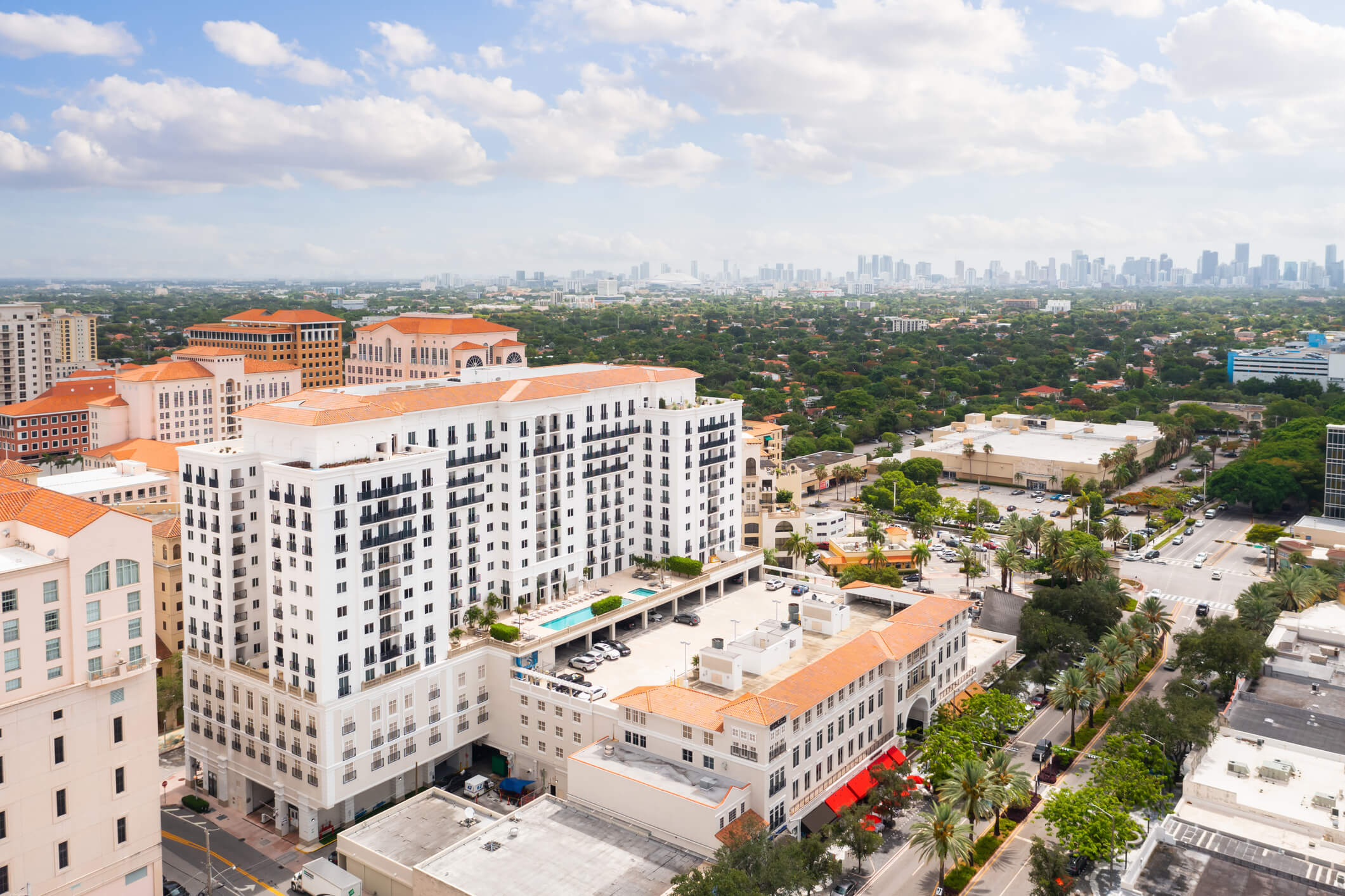
Coral Gables, famously known as “The City Beautiful,” is one of South Florida’s crown jewels. With its stunning tree-lined streets, historic charm, and chic urban vibe, it’s easy to fall in love with the scenery. But for real estate investors, the big question is: Does the cash flow match the curb appeal?
Investing in property is more than just buying a pretty house; it’s about crunching the numbers, understanding the market, and spotting real opportunities. Coral Gables certainly makes a strong case for itself with a thriving local economy and a lifestyle that’s second to none. But it’s not all sunshine and palm trees—investors need to be aware of the unique local rules and environmental factors.
In this guide, we’ll dive deep into what makes the Coral Gables real estate market tick. We’ll explore everything from past market trends and hot property types to the rental scene and potential risks. By the end, you’ll know whether this beautiful corner of South Florida is the right place to grow your investment portfolio.
Historical Appreciation and Prevailing Market Trends
Coral Gables has long served as a benchmark of stability within the greater Miami-Dade County real estate landscape. Historically, property values in this municipality have demonstrated consistent growth, shielding investors from the pronounced volatility observed in other coastal markets. The city’s stringent zoning regulations curb overdevelopment, which naturally constrains the housing supply. Paired with persistent demand, this scarcity is a primary driver of long-term property value appreciation.
In recent times, the Miami-Dade market has seen a notable influx of out-of-state buyers and corporate relocations, with Coral Gables attracting a substantial portion of this incoming wealth. High-net-worth individuals are particularly drawn to the area’s well-established infrastructure and premium lifestyle offerings. As a result, median home prices in Coral Gables consistently exceed those in adjacent municipalities, positioning it as a premier destination for investors prioritizing reliable equity growth over speculative, short-term ventures.
Key Investment Catalysts for the Coral Gables Housing Market
Several fundamental drivers render Coral Gables an appealing choice for both homebuyers and renters. These factors guarantee a steady demand pool, which is crucial for maintaining investment profitability.
Premier Educational Institutions and Low Crime Statistics
Families are perennially attracted to Coral Gables because of its outstanding schools. The area features some of the most highly-rated public and private educational institutions in South Florida. Additionally, the city supports a well-resourced and highly visible police department. The consequent low crime rates foster a secure, family-oriented environment that underpins premium property valuations.
Proximity to Key Business Districts
Geographic location remains a core asset for Coral Gables. The city is strategically positioned just miles from downtown Miami, the Brickell financial district, and Miami International Airport. It also has its own thriving corporate sector, serving as the headquarters for many multinational corporations. This closeness to major employment centers makes the area exceptionally convenient for executives and professionals who desire a suburban setting without an arduous daily commute.
An Analysis of Available Property Types
The architectural character of Coral Gables was profoundly shaped by its visionary founder, George Merrick, who promoted the Mediterranean Revival style during the 1920s. Today, the real estate inventory presents a variety of options for investors, from historic single-family residences to contemporary developments.
Luxury Mediterranean and Spanish-style estates signify the apex of the local market. These large properties frequently showcase detailed stonework, terracotta-tiled roofs, and verdant landscaping, appealing to affluent buyers and fetching premium prices.
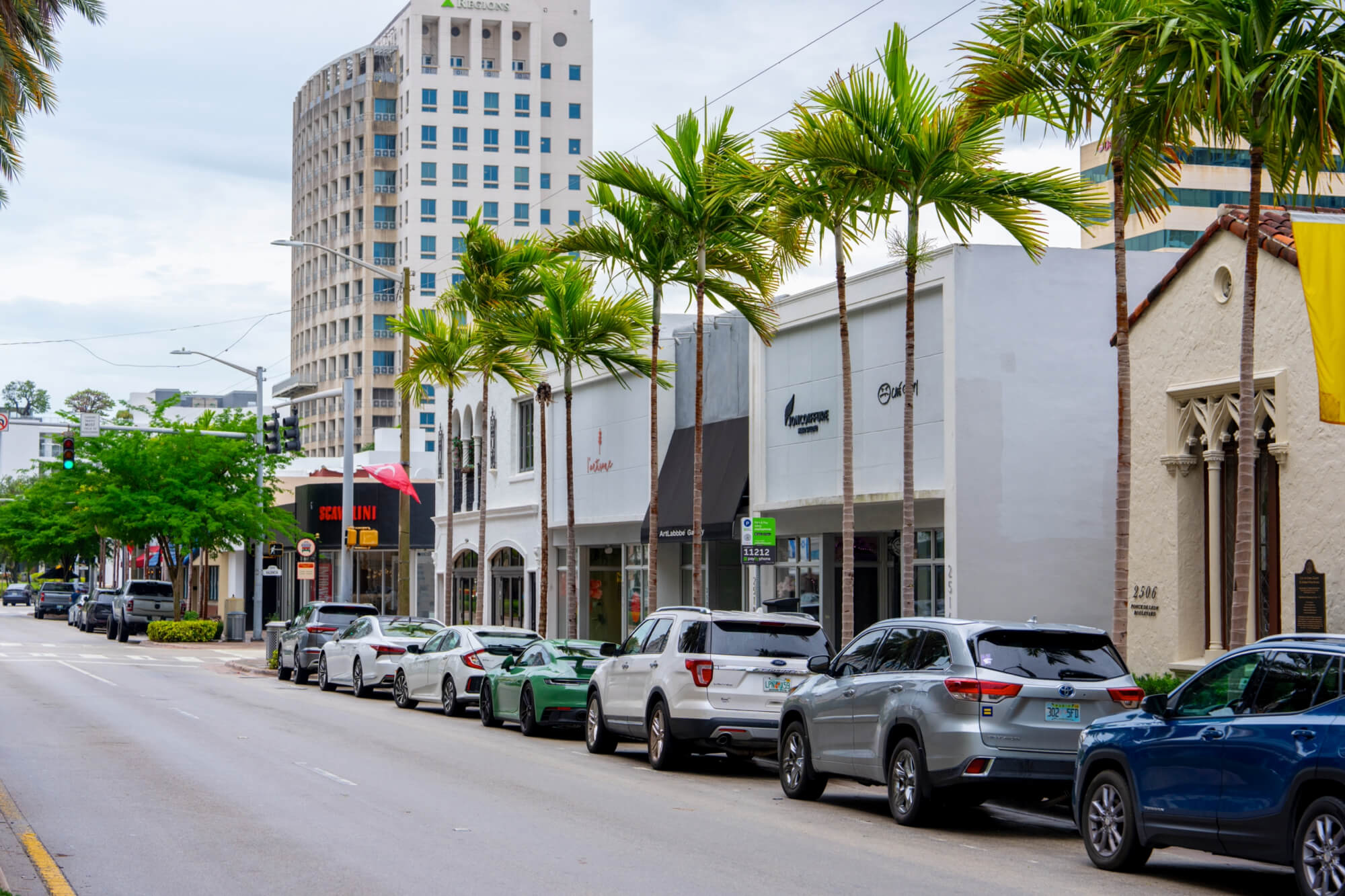
Alternatively, high-end condominiums and townhomes offer more accessible investment entry points. Situated near the city’s commercial hubs, such as Miracle Mile and the Shops at Merrick Park, these properties cater to young professionals and empty-nesters who value a walkable, low-maintenance lifestyle.
Assessing Coral Gables Rental Market Demand
A successful investment property hinges on a dependable tenant base. Coral Gables benefits from two separate and highly reliable demographic segments that fuel rental demand.
First, the University of Miami is situated within the city limits. This generates a constant demand for student housing, as well as residences for faculty and administrative staff. Investors who acquire condominiums or single-family homes near the campus can typically secure tenants on a consistent annual basis.
Second, the city’s corporate presence attracts a continuous flow of business professionals. These individuals frequently look for high-quality rental properties near their offices or the downtown Miami business corridor. Corporate tenants often provide strong financial stability, mitigating the risk of late rent payments or property neglect.
Short-Term vs. Long-Term Rentals in Coral Gables
When formulating a rental strategy in Coral Gables, it is imperative for investors to comprehend the local regulatory framework. The city enforces stringent zoning ordinances intended to safeguard its tranquil, residential atmosphere.
Consequently, short-term rentals, such as those advertised on platforms like Airbnb or VRBO, are severely limited. Per the City of Coral Gables’ Administrative Order No. 2021-05, short-term vacation rentals are forbidden in all single-family and two-family residential zoning districts. This rule is rigorously enforced to preserve neighborhood character and prevent the commercialization of residential zones. Investors who attempt to operate illicit short-term rentals are subject to substantial fines, beginning at $1,000 for a first offense and increasing to $5,000 for subsequent violations, along with potential legal action. The city proactively monitors online listings and investigates complaints to uphold compliance.
In contrast, the long-term rental market is both highly feasible and legally sound. Investors who concentrate on leases of six months or more will discover a vibrant market with favorable rental yields. Long-term leasing aligns with the area’s primary demographics—including students, university staff, and corporate professionals—delivering steady cash flow without the operational burdens and significant regulatory risks tied to short-term turnovers. This approach guarantees a stable investment that adheres to municipal law.
Potential Risks and Important Considerations
No real estate market is devoid of challenges. Investors considering Coral Gables must factor in several specific financial and regulatory obstacles.
Property Taxes and Insurance Premiums
While Florida has no state income tax, local governments depend significantly on property taxes to finance public services. Coral Gables imposes higher property tax rates than the national average. Furthermore, coastal Florida confronts considerable climate-related risks. Property insurance, especially for windstorm and flood damage, has become progressively more costly. Investors must meticulously factor these carrying expenses into their financial models to ensure projected cash flow remains positive.
Historic Preservation Regulations
The city is deeply committed to its architectural legacy. A large number of properties are under the purview of the Coral Gables Historic Preservation Board. If an investor acquires a historic residence with plans to renovate or expand, they will encounter a demanding and often lengthy approval process. Strict regulations control exterior changes, paint palettes, and landscaping designs. Although these rules help protect city-wide property values, they can also escalate renovation expenses and extend construction schedules.
Evaluating the Long-Term Return on Investment Potential
Coral Gables provides a remarkably stable and upscale real estate environment. The city’s rigorous zoning, historical appeal, and strategic location help ensure that property values stay resilient, even amidst broader economic slumps.
For residential investors, the long-term ROI potential is particularly robust. The steady demand from university-affiliated individuals and corporate professionals generates reliable rental income, while the restricted housing inventory promotes equity growth. Commercial investors can also capitalize on the region’s affluent consumer demographic and prosperous business centers.
While elevated insurance premiums, property taxes, and strict regulations necessitate diligent financial planning, the market’s overarching stability offsets many conventional investment risks. For those in search of consistent growth, dependable tenants, and asset security, Coral Gables continues to be one of South Florida’s most prudent real estate investment choices. Engaging a local real estate professional can assist in pinpointing the neighborhoods and property types that best suit your investment portfolio goals.