
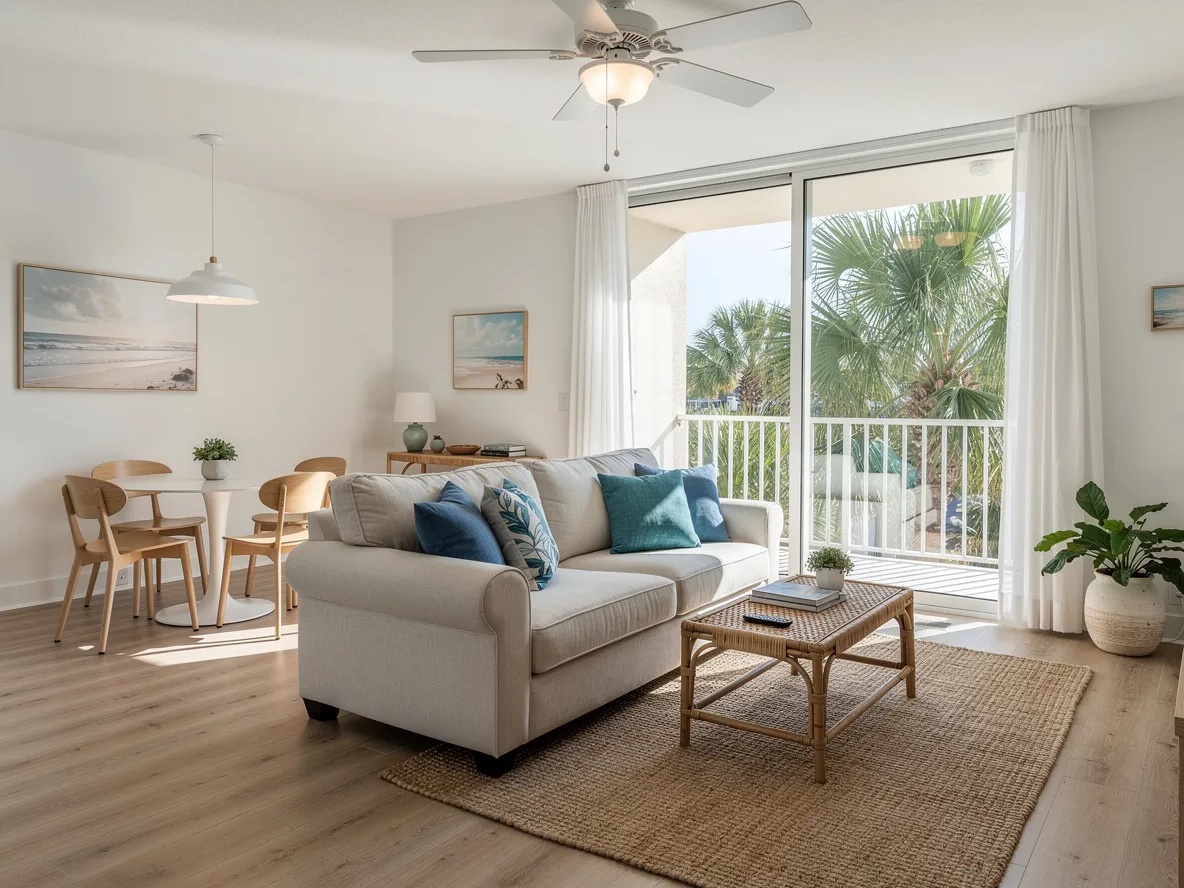
Miami’s short-term rental market has long attracted investors chasing strong occupancy rates, premium nightly prices, and year-round tourism demand. But what happens when it’s time to exit? Selling an Airbnb investment property is a fundamentally different process than selling a traditional home—and in a market as competitive as Miami, the stakes are even higher.
Whether you’re liquidating to rebalance your portfolio, cashing out on appreciated equity, or simply stepping back from the demands of hosting, the approach you take will directly affect your final sale price. From pricing your property based on rental income history to navigating active guest bookings during escrow, each step requires careful planning and a clear strategy.
This guide walks you through everything you need to know—from understanding Miami’s evolving short-term rental regulations to marketing your property to the right type of buyer.
Miami’s Airbnb Market: What Sellers Need to Know
Miami has consistently ranked among the top short-term rental markets in the United States. The city’s combination of international tourism, a strong convention calendar, and a steady influx of domestic travelers keeps demand high across most neighborhoods—from South Beach and Brickell to Wynwood and Little Havana.
Investor interest in Miami Airbnb properties has remained robust, driven largely by the city’s strong revenue potential. Properties in high-demand neighborhoods routinely generate significant annual income, which makes them attractive assets on the open market.
That said, the market has matured. Supply has increased, regulatory scrutiny has tightened, and buyers are more discerning than they were even a few years ago. Sellers who come to market with clean financials, a documented rental history, and a thorough understanding of local compliance requirements will always command a premium over those who don’t.
Understanding Florida’s Short-Term Rental Laws
Before listing your property, you need to have a firm grasp of the legal landscape. Florida’s short-term rental regulations operate at both the state and municipal level, and Miami-Dade County has its own layer of rules on top of that.
At the state level, Florida law generally preempts local governments from banning short-term rentals outright if they were legally operating before certain ordinances were enacted. However, municipalities can still regulate them with respect to licensing, inspections, and operational standards.
In Miami-Dade County specifically, short-term rental operators are required to obtain a Business Tax Receipt and register with the county. Certain municipalities within Miami-Dade—including Miami Beach—have historically imposed stricter regulations, including minimum stay requirements and caps on the number of licensed rentals in a given area.
For sellers, this matters for two reasons. First, any unresolved compliance issues can delay or derail a sale. Second, buyers—particularly investor buyers—will conduct due diligence on the property’s legal operating status as part of their purchase evaluation. A property with a clean compliance record and all current licenses in order is a significantly stronger asset than one with outstanding violations.
Consult a local real estate attorney before going to market to ensure all permits, licenses, and tax registrations are current and transferable.
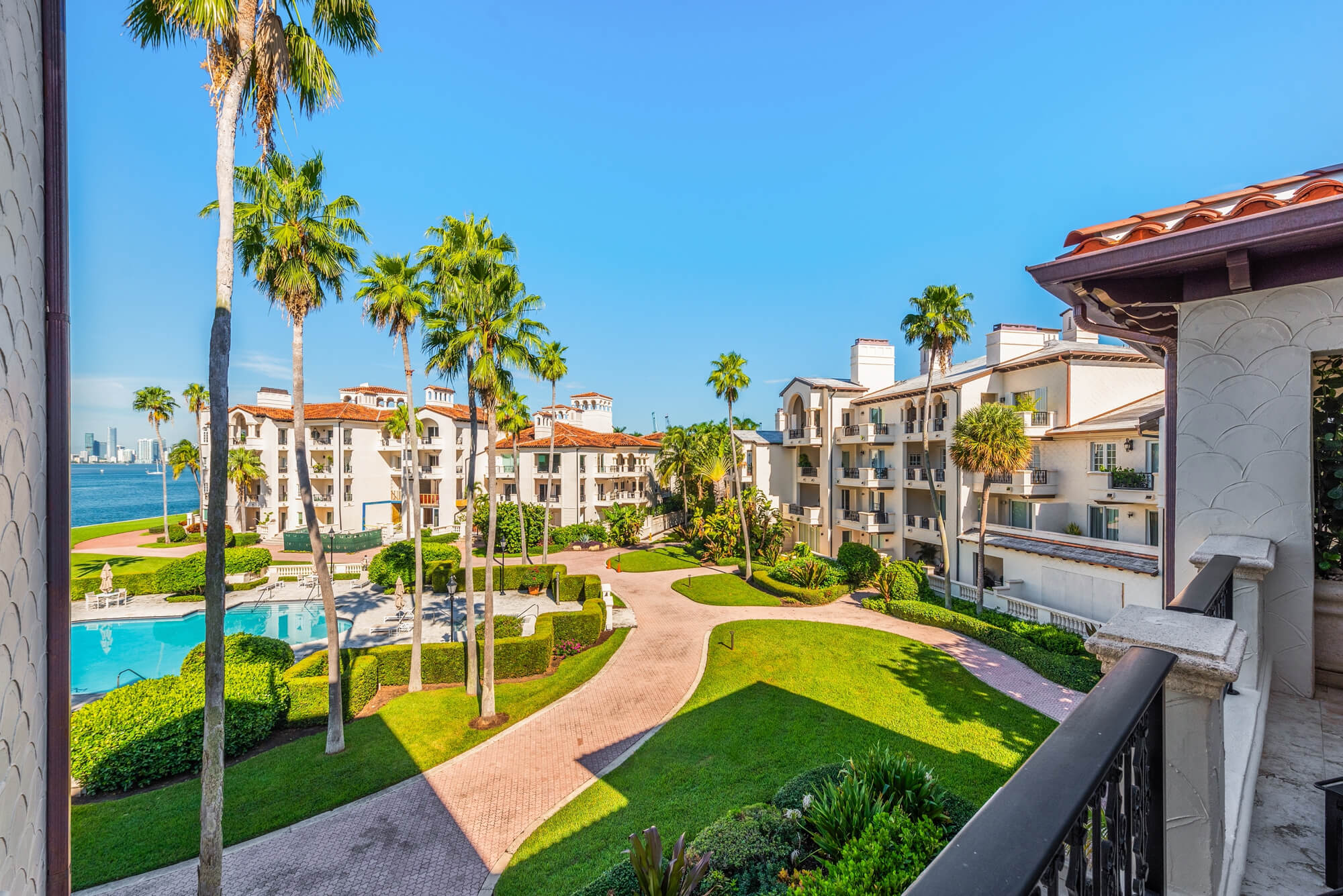
Interested in selling your Miami area Airbnb investment property? Contact us directly to receive a free, no obligation market analysis to help determine the value of your property based on the most up-to-date market stats.
How to Determine Your Property’s Market Value
Pricing an Airbnb investment property requires a different methodology than pricing a standard residential home. While comparable sales (comps) still matter, income potential plays an equally important—and sometimes more important—role in determining value.
Start with your revenue history. Compile at least two years of gross rental income, occupancy rates, average daily rates, and net operating income after platform fees, cleaning costs, utilities, and management expenses. This data tells a clear story about the property’s earning potential and gives buyers the evidence they need to justify a purchase price.
Apply an income-based valuation. Investors typically use the capitalization rate (cap rate) to evaluate income-producing properties. To calculate this, divide the net operating income by the property’s current market value. In Miami, cap rates for short-term rental properties vary by neighborhood and property type, but this figure gives buyers a useful benchmark for comparing investment returns.
Cross-reference with comparable sales. Look at recent sales of similar properties in the same neighborhood, paying attention to both residential comps and any available investor transactions. A local real estate agent with short-term rental experience can help you build a pricing strategy that accounts for both the income value and the residential market value.
Pricing too high on the residential market may deter traditional buyers. Pricing without accounting for income potential may leave significant money on the table with investors. The goal is to find the overlap—and position the property accordingly.
Staging and Photography for Investment-Minded Buyers
First impressions matter in any real estate transaction, but Airbnb properties carry an additional layer of visual expectation. Buyers aren’t just evaluating square footage and finishes—they’re mentally calculating whether the space will photograph well for listing purposes and whether it will appeal to future guests.
Lean into the lifestyle. Stage the property to reflect the guest experience it delivers. If your Airbnb attracts couples on romantic getaways, stage accordingly. If it caters to business travelers or families, reflect that in the setup. The goal is to help buyers immediately see the unit through the eyes of a guest—and recognize its revenue potential.
Invest in professional photography. This is non-negotiable. High-quality listing photos will appear across marketing channels, MLS listings, and investor presentations. Poorly lit or cluttered photos will undermine the perception of the property’s value before a buyer ever steps through the door.
Prepare a guest-ready presentation. Clean, well-maintained, and thoughtfully furnished properties signal to buyers that the asset has been properly managed. Any deferred maintenance, worn furnishings, or functional issues should be addressed before photos are taken and the listing goes live.
Marketing to the Right Buyer
One of the most consequential decisions you’ll make as a seller is deciding who your target buyer is—and marketing the property accordingly.
Investor buyers are primarily motivated by return on investment. They want detailed financials, a verifiable income history, and a clear picture of ongoing expenses. When marketing to this audience, lead with numbers. Prepare a professional investment summary that includes historical revenue data, occupancy statistics, operating expenses, and projected returns. List the property on investor-focused platforms and networks, and consider reaching out directly to local real estate investment groups and short-term rental operators in Miami.
Residential buyers are a secondary audience, particularly in neighborhoods where short-term rentals are being phased out or restricted. These buyers may be interested in the property as a primary residence or a long-term rental, so the marketing approach should focus more heavily on lifestyle, location, and property condition.
In most cases, a well-performing Miami Airbnb will attract the most competitive offers from investment-minded buyers. However, keeping the property accessible to residential buyers broadens your pool and can create competitive tension that drives up the final price.
Navigating the Closing Process With Active Bookings
One of the unique challenges of selling an active Airbnb is managing the transition between your final guest and the new owner—especially when existing bookings extend beyond your target closing date.
Communicate early with your platform. Both Airbnb and Vrbo have policies in place for handling bookings when a property is sold. In most cases, you are responsible for honoring or canceling bookings made before the sale, and cancellations can result in penalties and negative reviews that affect your listing’s standing. Understanding these policies before you list the property for sale will help you plan accordingly.
Set a booking cutoff date. Once you have a signed purchase agreement and a target closing date, stop accepting new reservations beyond that point. For bookings already in place, work with the buyer to determine how they will be handled—some buyers may be willing to honor existing reservations as part of the transition, while others will want the property vacant at closing.
Disclose the booking calendar to buyers. Transparency about upcoming reservations, revenue already collected, and any pending refund obligations protects you legally and builds trust with the buyer. Include this information in your disclosure documents and address it explicitly during negotiations.
Coordinate the transfer of assets. The sale of an Airbnb property often includes more than just the real estate. Furnishings, linens, kitchen equipment, and other guest-facing inventory may be included in the sale price or negotiated separately. Clarify what is and isn’t included early in the process to avoid disputes at closing.
Making a Clean Exit From Your Miami Airbnb
Selling a short-term rental investment property in Miami is a process that rewards preparation. Sellers who come to market with organized financials, a compliant operating history, well-presented assets, and a targeted marketing strategy consistently achieve stronger outcomes than those who treat the process like a standard home sale.
The Miami market remains one of the most active short-term rental environments in the country, and demand from investor buyers is real. With the right approach, your property’s rental history isn’t just a record of past performance—it’s one of your strongest selling tools.
If you’re considering selling your Miami Airbnb investment property, consulting with a local real estate professional who specializes in investment transactions is a valuable first step. The right advisor will help you position the asset correctly, identify the right buyer pool, and guide you through the complexities of a transaction that involves both real estate law and short-term rental operations.